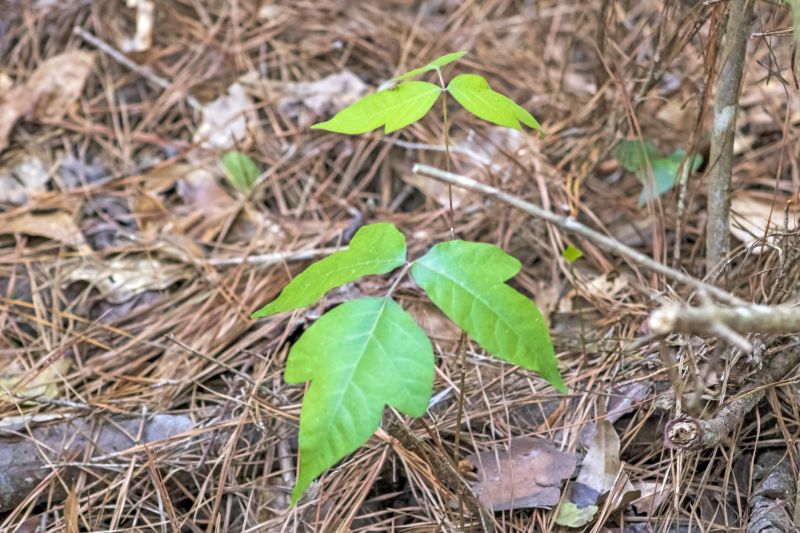
Poison Oak Removal in Ventura County, CA
Poison oak removal services are designed to safely eliminate this common and potentially harmful plant from residential properties. These services typically cover a range of projects, including clearing poison oak from yards, gardens, and landscaped areas, as well as managing overgrown or neglected patches that pose a risk to residents and visitors. Property owners often seek these services to prevent skin irritation, allergic reactions, or accidental contact, especially in outdoor spaces used for recreation or relaxation.
Before requesting poison oak removal, property owners should consider the extent of the growth, accessibility of affected areas, and any nearby plants or structures that may be impacted during the removal process. Understanding whether the plant is actively growing or dormant can also influence the best approach for removal. Clear communication about the size of the area and any specific concerns can help ensure the project is completed effectively and safely.
Many property owners in Ventura County, CA look into Poison Oak Removal for repairs, replacements, upgrades, and appearance-related improvements.
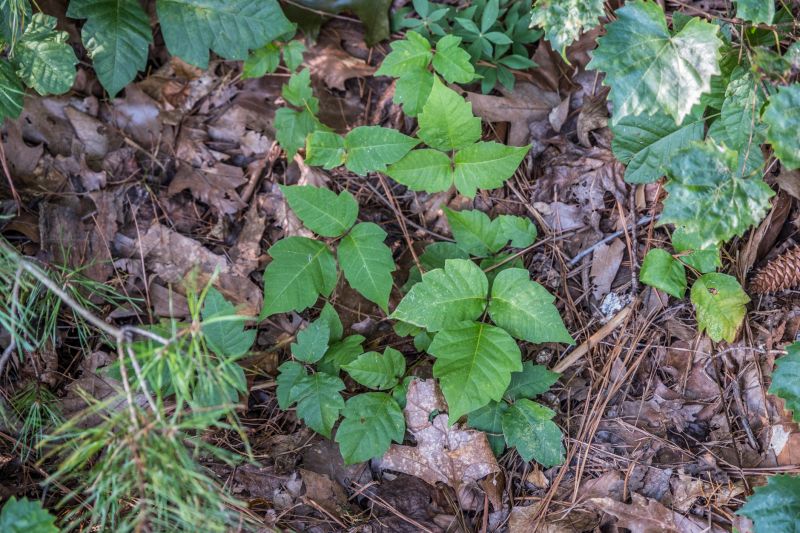
Poison Oak Risk Reduction
Removing poison oak helps prevent skin irritation and allergic reactions on residential and commercial properties.
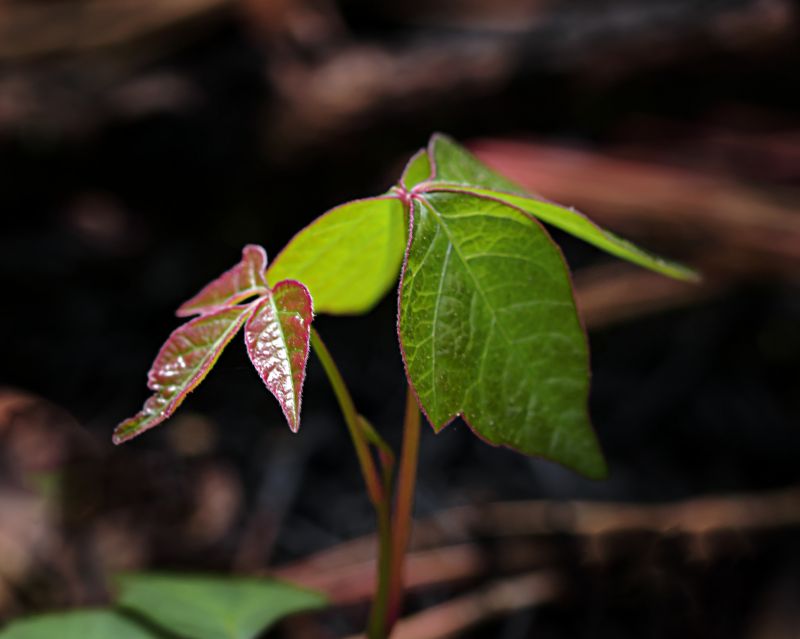
Property Safety Improvements
Effective poison oak removal enhances outdoor safety for families, pets, and visitors in ventura county neighborhoods.
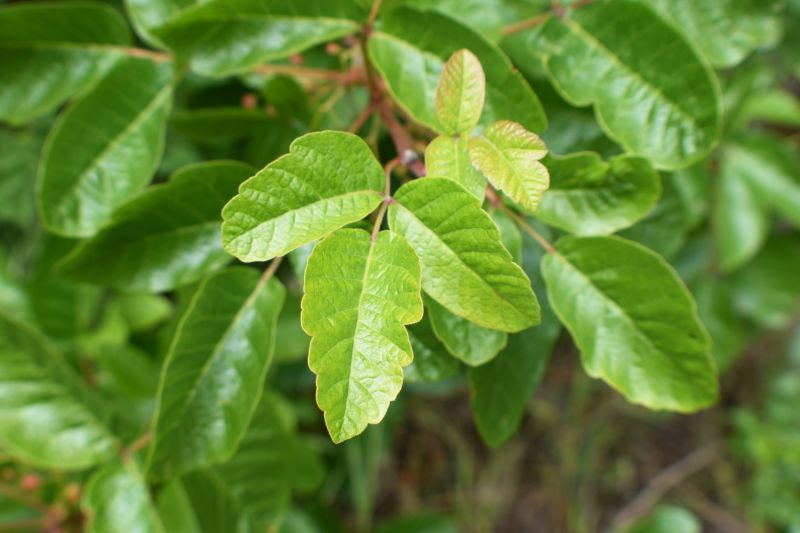
Landscape Maintenance Solutions
Professional poison oak removal supports healthy, hazard-free landscapes for gardens, parks, and natural areas nearby.
Poison Oak Removal in Ventura County, CA
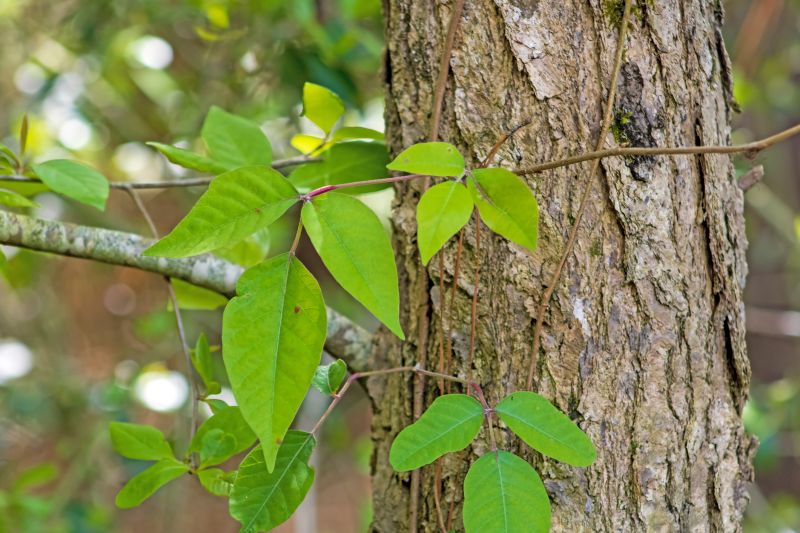
Poison oak removal services are designed to safely eliminate this common and potentially harmful plant from residential properties. These services typically cover a range of projects, including clearing poison oak from yards, gardens, and landscaped areas, as well as managing overgrown or neglected patches that pose a risk to residents and visitors. Property owners often seek these services to prevent skin irritation, allergic reactions, or accidental contact, especially in outdoor spaces used for recreation or relaxation.
Before requesting poison oak removal, property owners should consider the extent of the growth, accessibility of affected areas, and any nearby plants or structures that may be impacted during the removal process. Understanding whether the plant is actively growing or dormant can also influence the best approach for removal. Clear communication about the size of the area and any specific concerns can help ensure the project is completed effectively and safely.
Many property owners in Ventura County, CA look into Poison Oak Removal for repairs, replacements, upgrades, and appearance-related improvements.
Common Poison Oak Removal Jobs
Poison Oak Removal - Safely clears poison oak from yards and landscape areas.
Garden & Landscape Clearing - Removes poison oak from garden beds and around trees.
Property Maintenance - Maintains a poison oak-free zone for safety and aesthetics.
Trail & Pathway Clearing - Eliminates poison oak along walking paths and recreational areas.
Fence Line & Boundary Clearing - Clears poison oak from property borders and fencing.
Emergency Poison Oak Removal - Handles urgent removal to prevent exposure and skin irritation.
Poison Oak Removal Questions
What is poison oak removal? Poison oak removal involves safely eliminating the plant from a property to prevent skin irritation and health risks.
Why is professional removal recommended? Professionals use proper techniques and equipment to ensure complete removal and reduce the risk of exposure.
What areas are typically treated for poison oak? Common treatment areas include yards, trails, fence lines, and other outdoor spaces with dense vegetation.
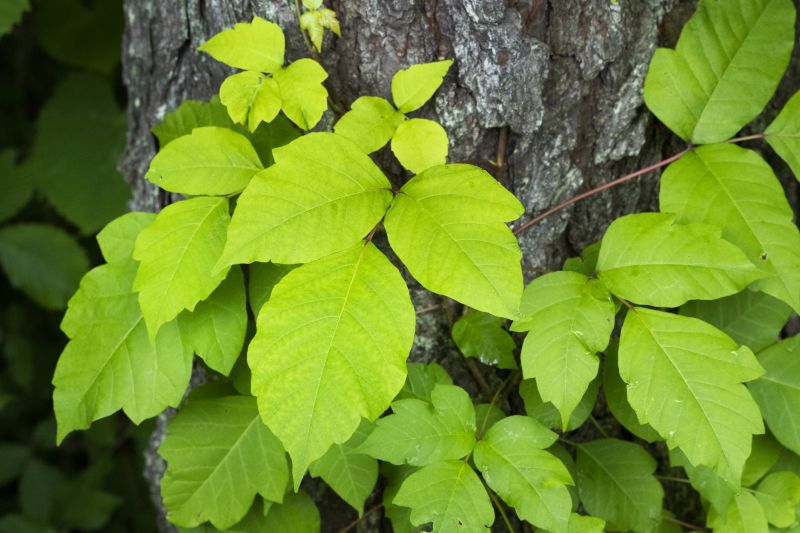
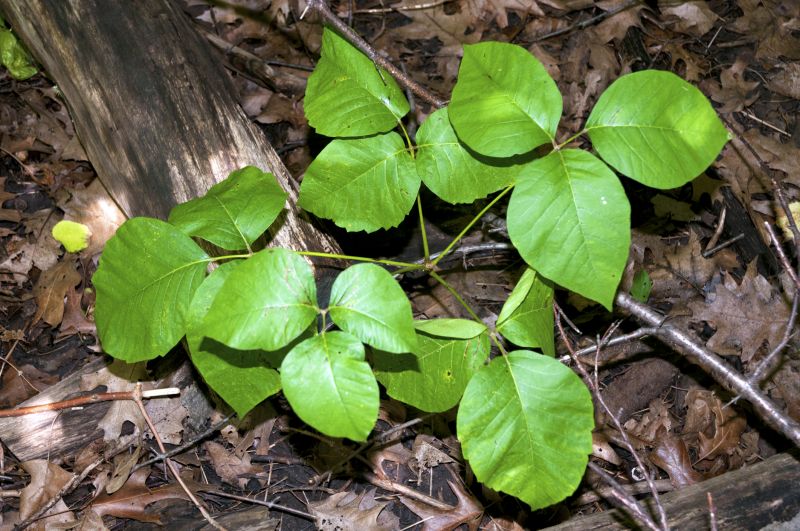
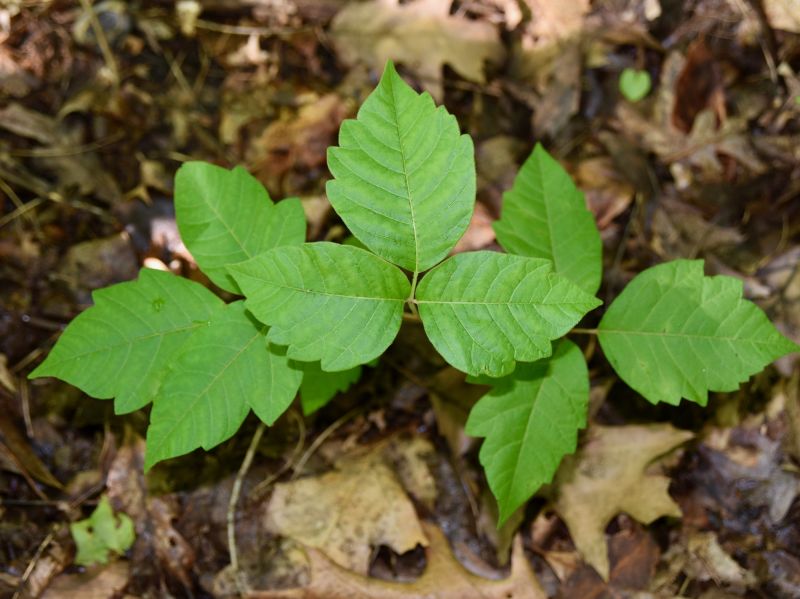
How can property owners identify poison oak? Poison oak typically has clusters of three leaflets with a shiny or matte surface; consulting a specialist can confirm identification.
Request Poison Oak Removal in Ventura County, CA
Use the quote form on this page to share the basics of your project and request more information for the type of work you need.